


Transparency and Behaviour
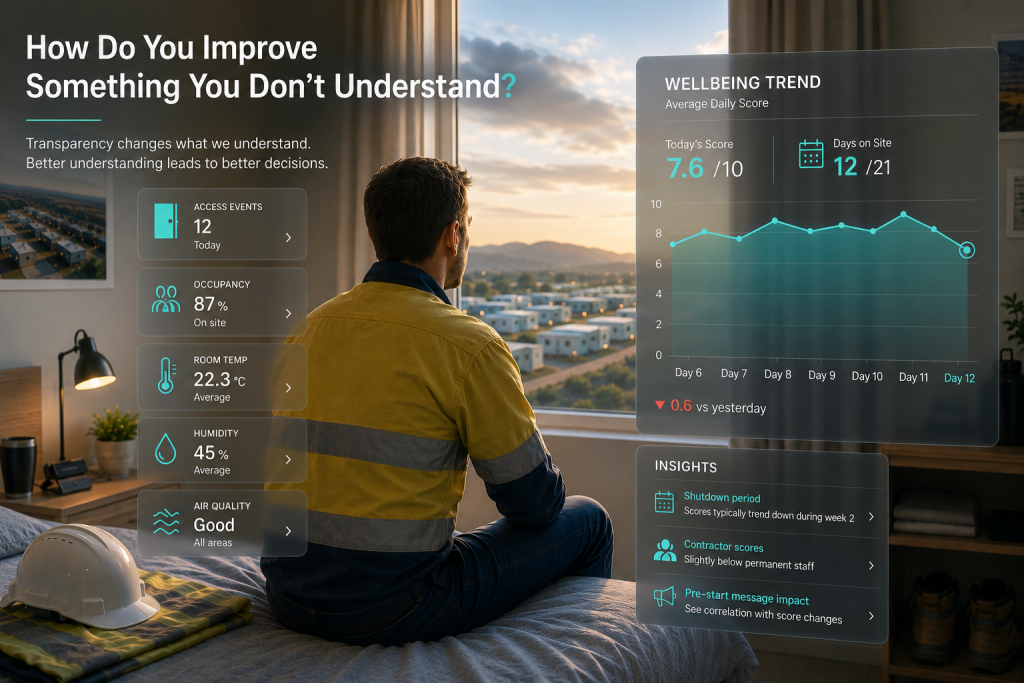
Transparency doesn’t solve problems.
It helps us understand them.
Whether it’s safety, wellbeing or operational performance, the first step isn’t deciding what to change—it’s understanding what’s really happening.
Discover how Blyx uses everyday interactions to create meaningful insights that help organisations move from reacting to symptoms to understanding the cause.
Seeing What Others Can’t
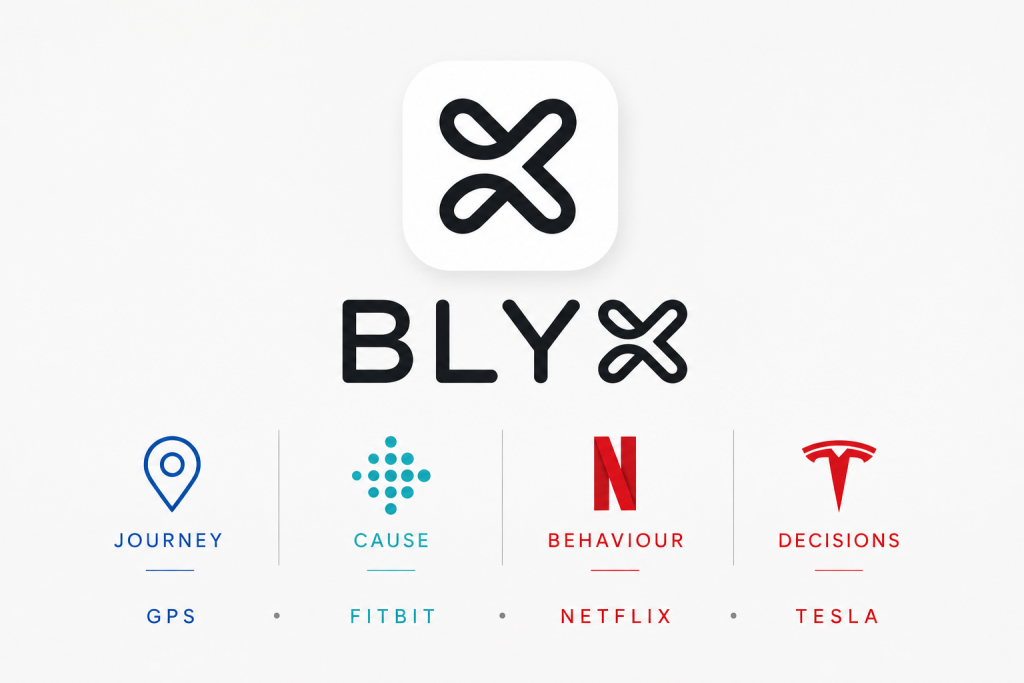
Before fitness trackers existed, most of us were convinced we’d walked at least 10,000 steps.
Turns out many of us were closer to 3,000. 😅
Before GPS, transport companies thought they knew why deliveries were late.
Before Netflix, movie studios thought they knew what people liked watching.
Before Tesla, manufacturers thought they knew what was happening with their vehicles.
The funny thing is that most industries weren’t missing answers.
They were missing data.
Facility management is no different.
We’ve put together an article exploring what GPS, Netflix, Fitbit and Tesla can teach us about managing buildings, accommodation villages and facilities.
Turns out the biggest opportunities are often hidden in things we can’t see.
The Right Data Changes Everything
How do you turn a 6-week project into 15 weeks… and not because of delays, budget blowouts or poor planning?
You increase transparency of information.
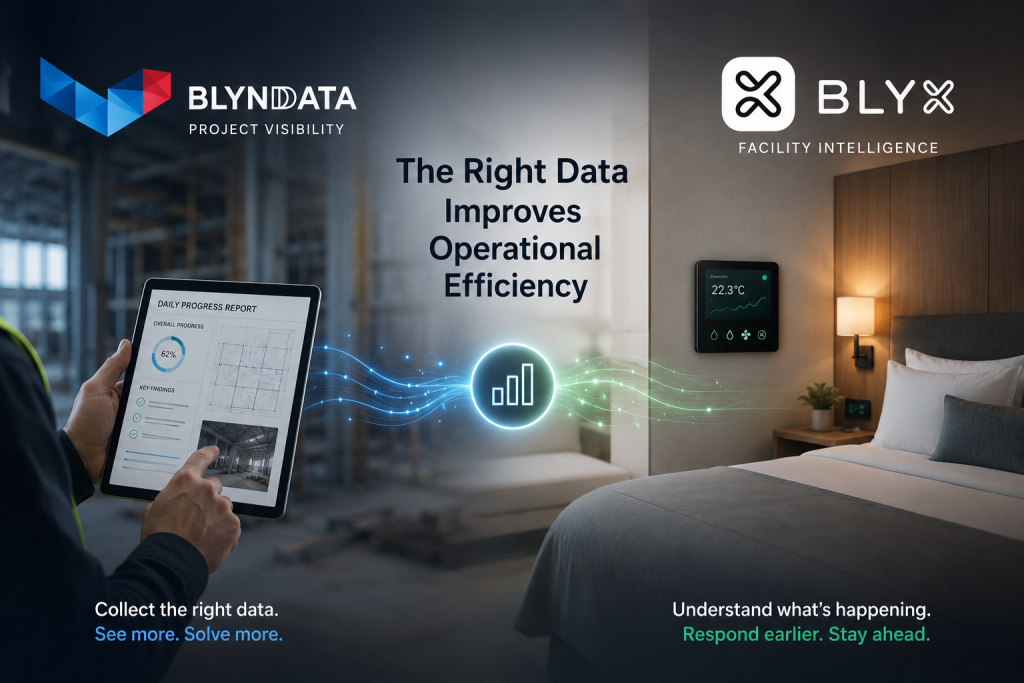
On a refurbishment project, Blynd Data helped change how information was collected during demolition works. Instead of waiting until demolition was complete before assessing conditions and planning renovations, room-condition data was collected daily and processed in real time by an offshore support team.
This meant the next stage of works could start being planned while demolition was still underway. Material requirements, recurring issues and future workloads became visible earlier, allowing the project to move more proactively and efficiently.
This same thinking is the foundation of Blyx.
Blyx helps facilities understand what is happening inside rooms in real time — temperature, humidity, HVAC performance, housekeeping activity and maintenance patterns — so issues can be identified before they become guest complaints.
Two completely different scenarios. One very similar principle.
The right data, collected at the right time and presented in the right context, changes management from reactive and slow… to proactive and efficient.
We recently wrote an article exploring this concept further and how operational visibility can completely change outcomes.
Fit for Purpose – System
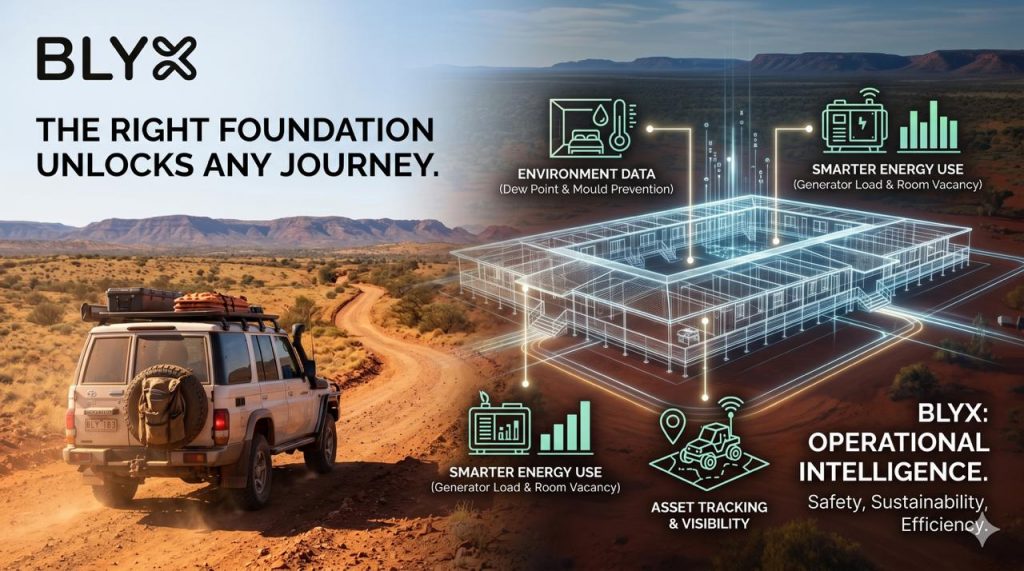
Access control shouldn’t stop at the door.
When hardware is reliable and software is easy to use, something powerful happens —
the system starts creating visibility across the entire facility.
Instead of reacting to issues, teams can:
– See what’s happening in real time
– Automate routine actions
– Identify risks before they impact guests
From room conditions and energy use to asset tracking and guest communication,
the system becomes a foundation for safer, more efficient, and better-run facilities.
Because when you can actually see what’s going on,
you can start to improve it
Fit for Purpose – Software

Access control software should be as easy to operate as it is reliable.
In remote accommodation, the challenge isn’t just installing the system — it’s making sure the people on site can use it confidently every day.
When software is designed properly, it simplifies complex data, highlights what matters, and helps prevent issues before they happen.
Because the goal isn’t just to run the system.
It’s to support the people running the facility.
Fit for Purpose – Hardware

Not all access control systems are built for the environments they’re used in.
Many are designed for hotels — then adapted to remote sites where heat, dust and limited support quickly expose their weaknesses.
The result?
Systems that introduce new risks while trying to solve old ones.
When access control is designed for the environment, it becomes simpler, more reliable, and safer — for both guests and staff.
Because in remote accommodation, it’s not about what works in theory.
It’s about what actually works on site.
Fridge Temperature Data

Do you actually know what your fridge temperatures are doing?
Most accommodation facilities check food storage temperatures during scheduled inspections.
But what happens between those checks?
Temperature fluctuations, power interruptions, or equipment issues can occur without anyone noticing — until food has already been compromised.
We’ve just published a short article looking at how continuous monitoring can help FIFO facilities better understand and manage food storage conditions.
Mapping the Path
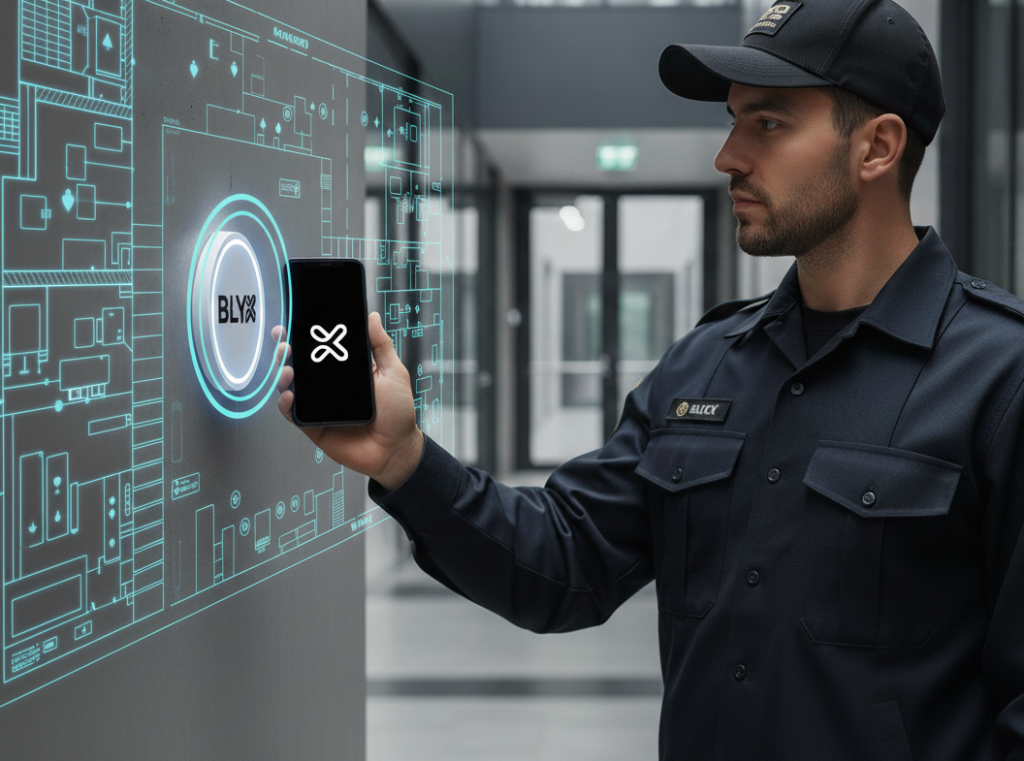
Imagine if everything about your room was right there on your phone.
Unlock your door.
See when your room is scheduled for cleaning.
Submit a maintenance request — and track how it’s progressing.
Blyx brings better communication between guests and facility staff.
Now information can be shared easily, reducing questions, confusion, and delays.
Because when guests know what’s happening, everything runs smoother.
Don’d Add more Devices
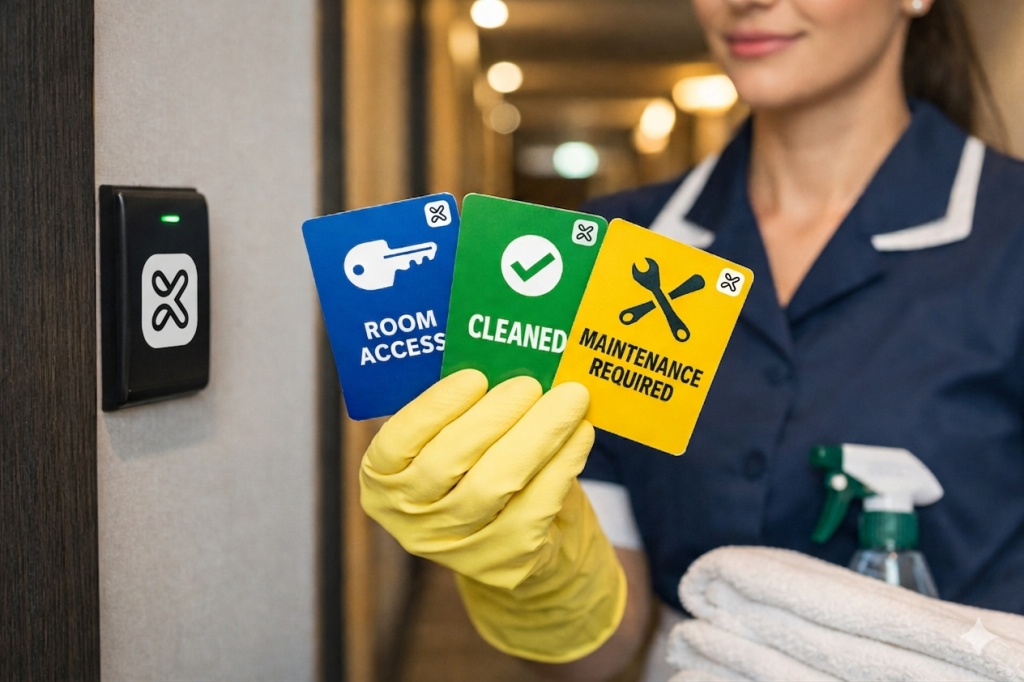
Thinking about adding tablets for housekeeping updates?
Many accommodation sites introduce tablets so staff can update room status, report maintenance issues, or confirm completed work.
The intention is good — better operational visibility.
But tablets often introduce new challenges:
• Devices need charging
• Screens get damaged
• Hardware gets lost
• Staff end up managing technology instead of their work
Sometimes improving operational visibility doesn’t require more hardware — it just requires using the systems already in place more intelligently.
For example, the same access card staff already carry can be used to communicate room status updates back to the system — confirming things like a completed clean or a maintenance issue — without introducing additional devices.
We’ve just published an article explaining how the Blyx ecosystem can support this type of workflow and help facilities improve operational efficiency without adding complexity.
If you’re looking at ways to improve visibility across housekeeping and maintenance without introducing more hardware, this might be worth a read.
Keeping Guests in the Loop

Imagine if everything about your room was right there on your phone.
Unlock your door.
See when your room is scheduled for cleaning.
Submit a maintenance request — and track how it’s progressing.
Blyx brings better communication between guests and facility staff.
Now information can be shared easily, reducing questions, confusion, and delays.
Because when guests know what’s happening, everything runs smoother.